Treatment looks different for everyone. From therapy options to lifestyle changes, there are effective ways to sleep better and feel more rested. Talking with your doctor is the first step to learning more about which treatment option is best for you. Treatment options include:
PAP Therapy
Positive Airway Pressure (PAP) therapy delivers a steady stream of pressurized air through a mask to keep your upper airway open while you sleep, preventing pauses in breathing.1
Positional therapy
Positional therapy is a non-invasive treatment that may prevent upper airway obstructions by encouraging you to sleep on your side rather than your back, where apnea events are often more severe.1
Oral appliances
An oral appliance moves your lower jaw forward to help keep your upper airway open during sleep, which can help reduce breathing interruptions.1
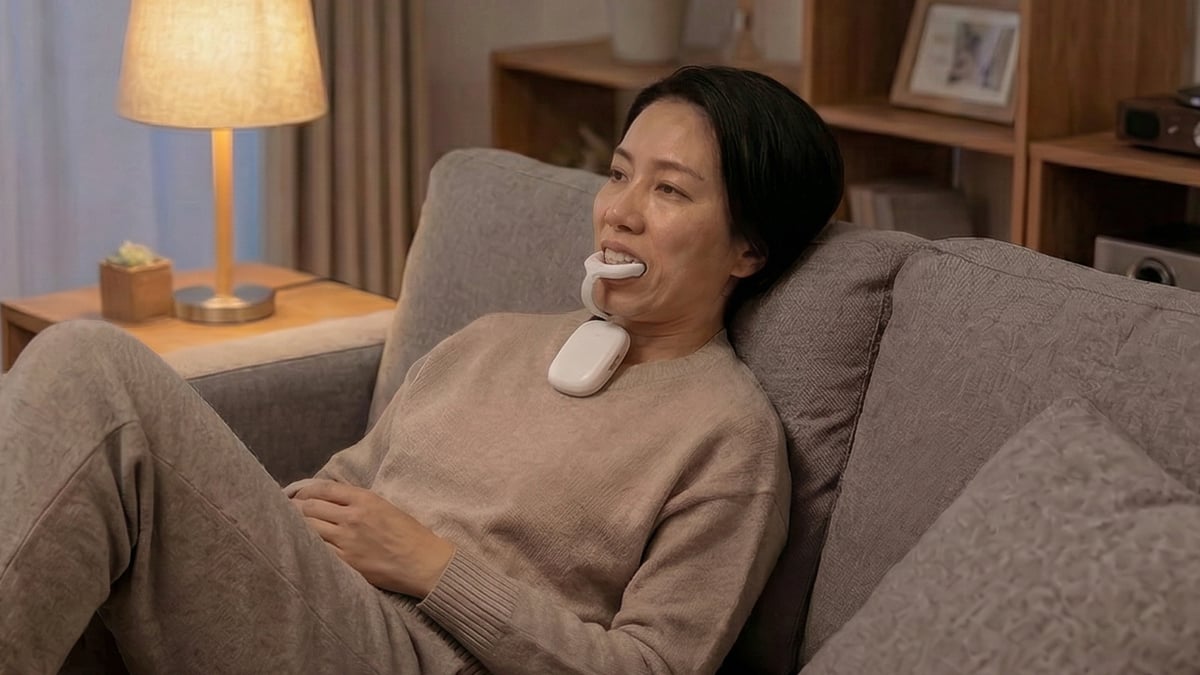
NMEs
Neuromuscular electrical stimulations (NMEs) apply gentle electrical pulses while you're awake to strengthen the tongue muscles that help maintain an open upper airway during sleep.2
Surgical Procedures
Surgical treatments for sleep apnea may remove or reposition tissue in the throat or address structural issues that block airflow. Depending on the procedure, surgery may help reduce upper airway blockage during sleep.3
GLP-1s
GLP-1 medications help reduce appetite and support weight loss. For people whose sleep apnea is related to excess weight, losing weight may reduce upper-airway collapse and lessen breathing interruptions during sleep.2
Coaching
Healthcare providers can provide personalized guidance and support on your sleep apnea journey, helping you set and reach therapy or lifestyle goals that work for you.
Vega ME, Diaz-Abad M, Jaffe F, et al. Use of positional therapy when incorporated into a diagnosis-treatment algorithm for obstructive sleep apnea. Sleep Sci. 2019;12(1):15-20. https://pmc.ncbi.nlm.nih.gov/articles/PMC6508942/
Dobrosielski DA, Papandreou C, Patil SP, Salas-Salvadó J. Diet and exercise in the management of obstructive sleep apnoea and cardiovascular disease risk. Eur Respir Rev. 2017;26(144):160110. https://pubmed.ncbi.nlm.nih.gov/28659501/
References
1) Source: Vega ME, Diaz-Abad M, Jaffe F, et al. Use of positional therapy when incorporated into a diagnosis-treatment algorithm for obstructive sleep apnea. Sleep Sci. 2019;12(1):15-20. https://pmc.ncbi.nlm.nih.gov/articles/PMC6508942/
2) Source: Srijithesh PR, Aghoram R, Goel A, Dhanya J. Positional therapy for obstructive sleep apnoea. Cochrane Database Syst Rev. 2019;5(11):CD010990. https://pmc.ncbi.nlm.nih.gov/articles/PMC6491901/
3) Source: Dobrosielski DA, Papandreou C, Patil SP, Salas-Salvadó J. Diet and exercise in the management of obstructive sleep apnoea and cardiovascular disease risk. Eur Respir Rev. 2017;26(144):160110. https://pubmed.ncbi.nlm.nih.gov/28659501/